


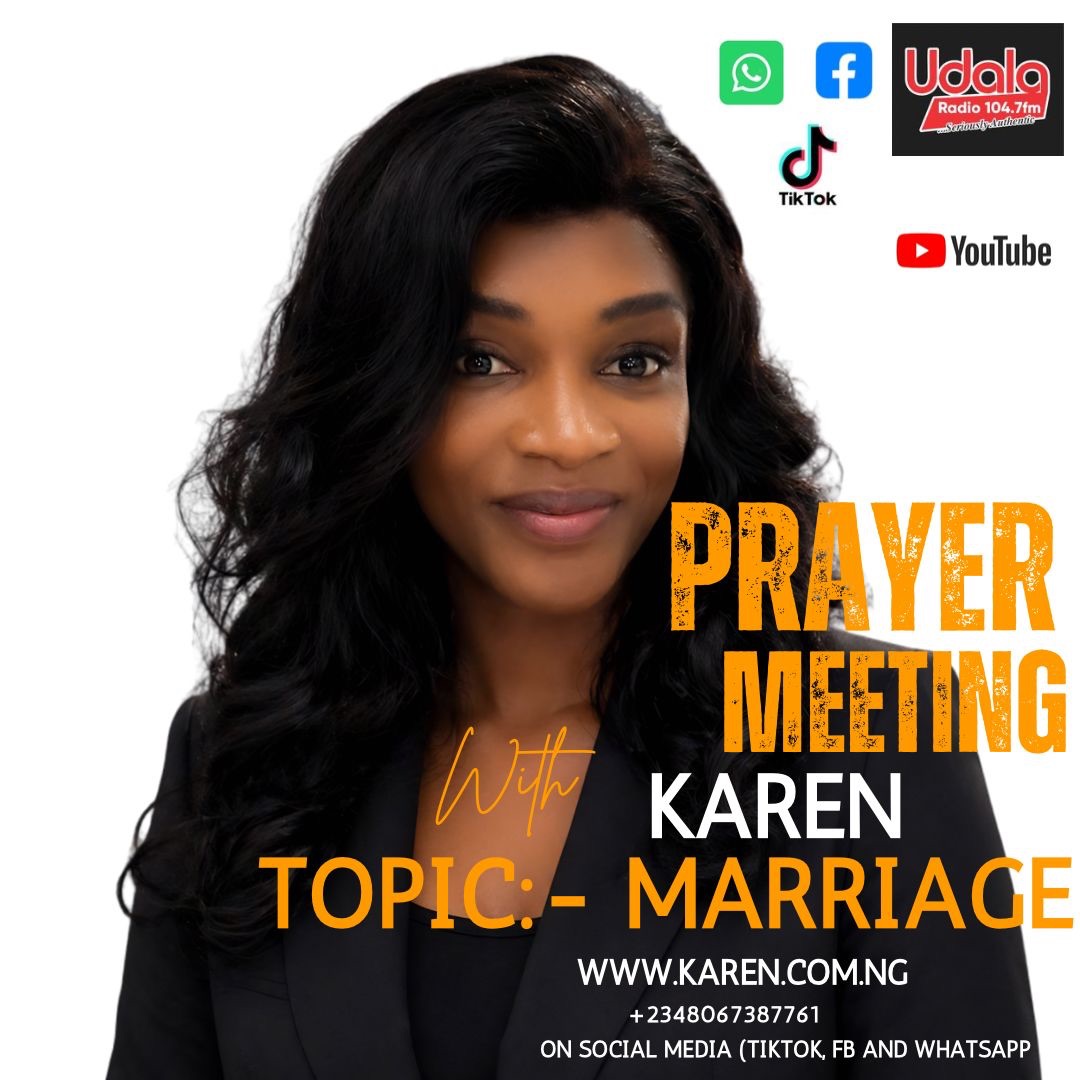
Karen Prays
- June 14, 2026
By Karen James
Relationships are meant to bring love, peace, support, and happiness into our lives. A good relationship helps people grow, encourages respect, and brings out the best in each other. But some relationships become toxic and abusive. These kinds of relationships destroy peace, cause emotional pain, fear, sadness, and sometimes physical harm. God does not want anyone to live in fear, pain, or oppression.
The Bible teaches us to love one another with kindness, patience, and respect. A healthy relationship should reflect the love of God, not hatred, manipulation, violence, or control.
What Is a Toxic Relationship?
A toxic relationship is a relationship where there is constant pain, disrespect, cheating, lies, manipulation, insults, fear, or abuse. One person may try to control the other person, making them feel worthless or unhappy all the time.
Abuse can come in different forms:
Physical abuse — beating, hitting, pushing, or violence.
Emotional abuse — insults, threats, humiliation, or constant criticism.
Verbal abuse — shouting, abusive words, curses, and mockery.
Financial abuse — controlling someone’s money unfairly.
Spiritual abuse — using religion to manipulate or oppress someone.
God wants His children to live in peace and safety.
Biblical Teachings About Relationships
The Bible teaches us how people should treat one another.
Love Must Be Genuine
> “Love must be sincere. Hate what is evil; cling to what is good.” — Romans 12:9
True love is honest, peaceful, caring, and respectful. If a relationship is full of lies, hatred, fear, and wickedness, it is not the kind of love God wants.
Avoid Angry and Violent People
> “Do not make friends with a hot-tempered person, do not associate with one easily angered.” — Proverbs 22:24
The Bible warns us to stay away from people who cannot control their anger. A violent person can bring danger, pain, and destruction into another person’s life.
God Wants Peace, Not Fear
> “For God has not given us a spirit of fear, but of power and of love and of a sound mind.” — 2 Timothy 1:7
If someone constantly makes you afraid, depressed, or emotionally broken, that relationship is unhealthy. God wants people to live with peace and wisdom.
Husbands and Wives Should Love and Respect Each Other
> “Husbands, love your wives, just as Christ loved the church.” — Ephesians 5:25
> “Each one of you also must love his wife as he loves himself, and the wife must respect her husband.” — Ephesians 5:33
Marriage and relationships should be built on love, respect, patience, and understanding — not violence or intimidation.
Bad Company Can Destroy Good Character
> “Do not be misled: Bad company corrupts good character.” — 1 Corinthians 15:33
Sometimes people remain in toxic relationships because they are afraid of being alone. But staying around destructive people can damage one’s peace, future, and spiritual life.
Signs of a Toxic or Abusive Relationship
Here are some warning signs:
Constant insults and humiliation.
Jealousy and controlling behavior.
Physical violence or threats.
Isolation from family and friends.
Manipulation and emotional blackmail.
Lack of respect and trust.
Constant fear and sadness.
Cheating and dishonesty.
Refusing to apologize or change bad behavior.
A relationship should not make someone lose their self-worth or joy.
How to Avoid Toxic Relationships
1. Pray for Wisdom
> “If any of you lacks wisdom, you should ask God.” — James 1:5
Before entering any relationship, pray to God for wisdom and direction. God can reveal people’s true character.
2. Do Not Ignore Red Flags
Many abusive relationships start with small warning signs. Do not ignore constant anger, disrespect, lies, or manipulation hoping the person will suddenly change.
3. Choose People With Good Character
Character is more important than beauty, money, or fame. A person with kindness, honesty, humility, and self-control is safer to build a relationship with.
4. Set Healthy Boundaries
Do not allow anyone to disrespect, control, or abuse you. Boundaries protect peace and dignity.
5. Seek Advice From Wise People
> “Plans fail for lack of counsel, but with many advisers they succeed.” — Proverbs 15:22
Talk to trusted parents, pastors, elders, or mature friends when facing relationship problems.
6. Leave Dangerous Situations
If a relationship becomes physically abusive or dangerous, seek help immediately. Protecting your life is important. God values human life and safety.
Moral Lessons
True love should bring peace, not pain.
Respect is important in every relationship.
Anger and violence destroy relationships.
God does not support abuse or oppression.
Wisdom is necessary before choosing a partner.
Good character matters more than appearance or wealth.
Nobody deserves to be abused.
Prayer and godly counsel can help prevent heartbreak.
A healthy relationship is built on trust, honesty, patience, and kindness.
Conclusion
Avoiding toxic and abusive relationships is very important for emotional, physical, and spiritual well-being. God wants people to live in peace, love, and safety. A relationship should help people grow closer to God and become better individuals, not live in fear or sadness.
Always remember that love is patient, kind, respectful, and truthful.
> “Love is patient, love is kind. It does not envy, it does not boast, it is not proud.” — 1 Corinthians 13:4
Choose relationships that reflect God’s love, wisdom, peace, and goodness.